All-season vs winter vs summer tires
All-season tires balance dry, wet, and light winter use in many temperate US climates. Winter tires use compounds that stay flexible in the cold and treads meant for snow and ice. Summer tires prioritize warm weather grip and handling and are generally a poor choice in freezing temperatures.
Last updated: October 8, 2026
All-season
Positioned for year-round use in many temperate US climates. Compounds and siping aim to balance dry, wet, and light winter performance. They remain a compromise: dedicated winter tires are typically designed for colder temperatures and snow/ice surfaces.
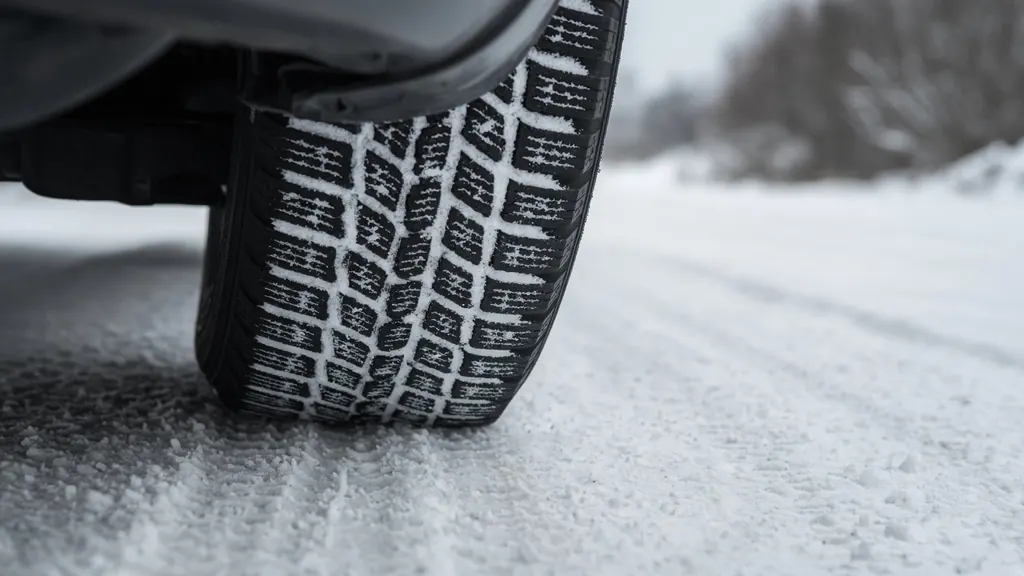
Winter (snow) tires
Winter tires use compounds that stay more flexible in cold weather and tread patterns intended for snow and ice. Many carry the three-peak mountain snowflake (3PMSF) symbol. They are not a substitute for careful driving, and local studded-tire rules vary. When you swap seasonally, store the off-season set carefully — see our seasonal tire storage guide. For timing, symbols and studded tire rules, read our winter tires guide.
Summer tires
Summer / performance-summer tires prioritize warm-weather grip and handling. In cold temperatures, compounds can harden and traction may fall off sharply — they are generally a poor choice for freezing climates or snow.
Quick comparison
| Category | Typical use case | Watch-outs |
|---|---|---|
| All-season | Mild winters, convenience of one set | Not identical to winter tires in deep snow/ice |
| Winter | Cold regions, frequent snow/ice | Swap seasonally; confirm storage and size |
| Summer | Warm climates / performance focus | Avoid freezing temps; check speed/load ratings |
“All-weather” marketing is another label some manufacturers use — read the actual sidewall markings and manufacturer datasheets rather than the brochure headline.
Deeper comparison
See all-season vs winter. Retailer links coming soon.