All-season vs winter tires
All-season tires may be enough for mild winters with rare ice and light snow. Winter tires are often considered where sub-freezing temperatures and packed snow or ice are regular, at the cost of a second set, storage, and seasonal swaps.
Last updated: October 8, 2026
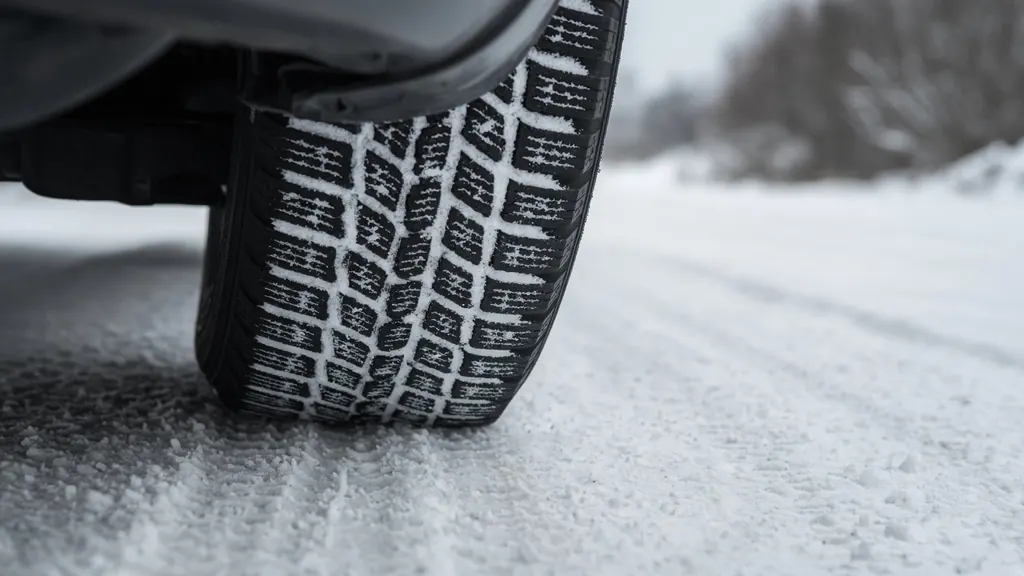
Core difference
All-season tires aim for acceptable performance across a wide range of conditions. Winter tires prioritize cold-temperature flexibility and snow/ice traction design. Neither category removes the need for appropriate speeds, pressures, and maintenance.
When all-seasons may be enough
- Mild winters with rare ice and light snow
- Preference for a single mounted set and simpler logistics
- Vehicles that see mostly clear paved roads
When winter tires are often considered
- Regular sub-freezing temperatures and packed snow or ice
- Hills, rural roads, or early/late season storms
- Willingness to store a second set and schedule seasonal swaps
Cost and logistics
A winter set adds tire (and sometimes wheel) cost plus storage and mount/balance cycles. Some drivers keep winters on dedicated wheels to simplify swaps and preserve TPMS sensors — discuss options with your installer.
Symbols and labels
Look for the three-peak mountain snowflake (3PMSF) on tires marketed for severe snow service. M+S alone is a mud-and-snow designation with a different meaning — read manufacturer explanations for your model.
Related: winter tires guide · three-category overview · seasonal tire storage.
Next
Affiliate links coming soon. Check retailers for sizes that meet your placard requirements.