What we do
Original educational guides, fitment explainers, and editorial model overviews for US drivers. We prioritize placard literacy over hype.
How we cite
Where we reference public rules or agency guidance, we link sources (often .gov) and paraphrase. We do not invent lab results.
Your responsibility
Informational only. Verify size, load index, and speed rating on your placard, then use a licensed installer. Read our Disclaimer.
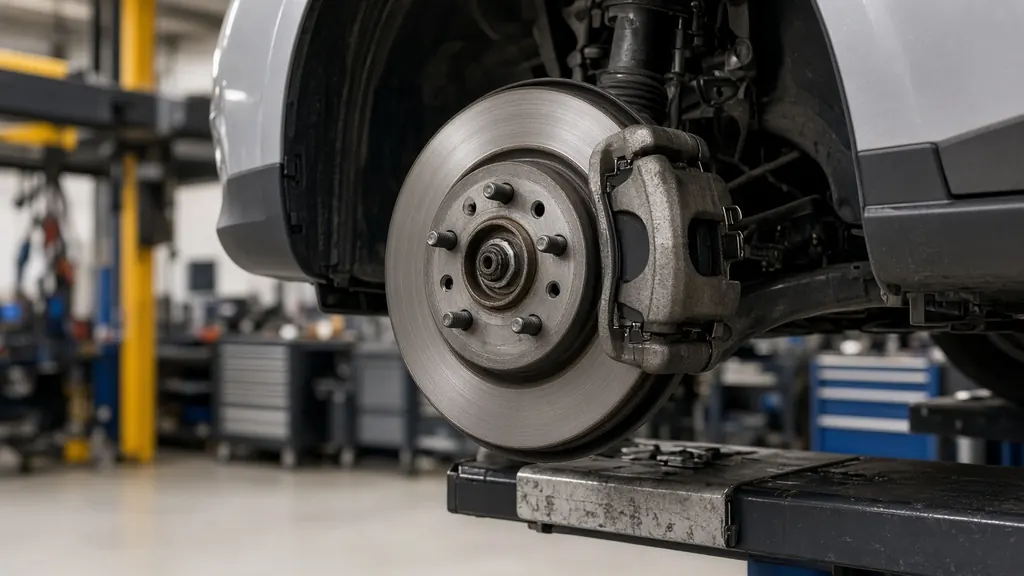
Choose the right tire size
Decode sidewall markings and match them to OEM specs without relying on marketing slogans.
Fitment guide →
Tire placard checklist
A printable-style walkthrough of what to copy from your door label before you shop.
Placard checklist →
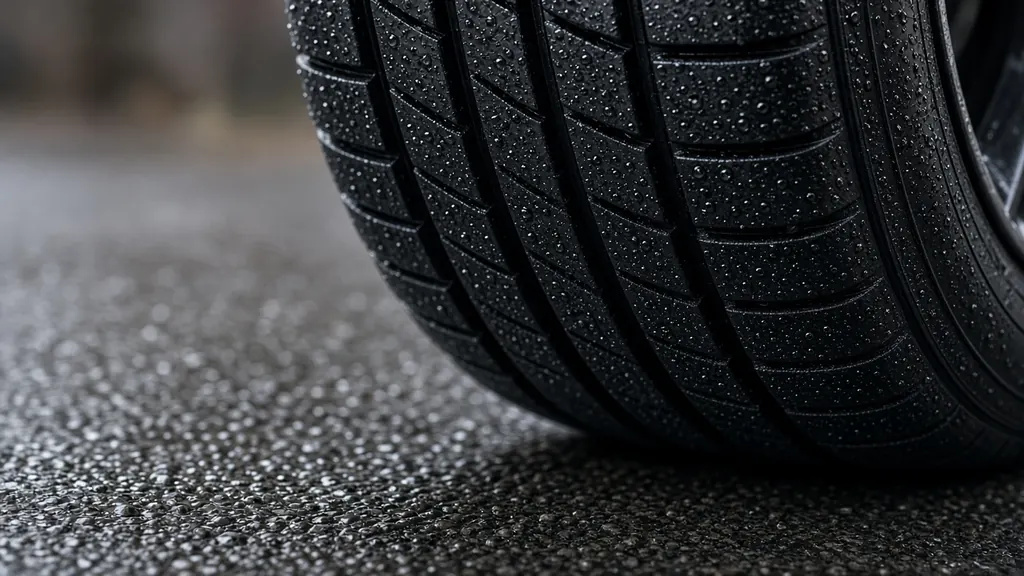
When to replace tires
Tread depth, age, damage, and other practical replacement signals explained plainly.
Replacement guide →
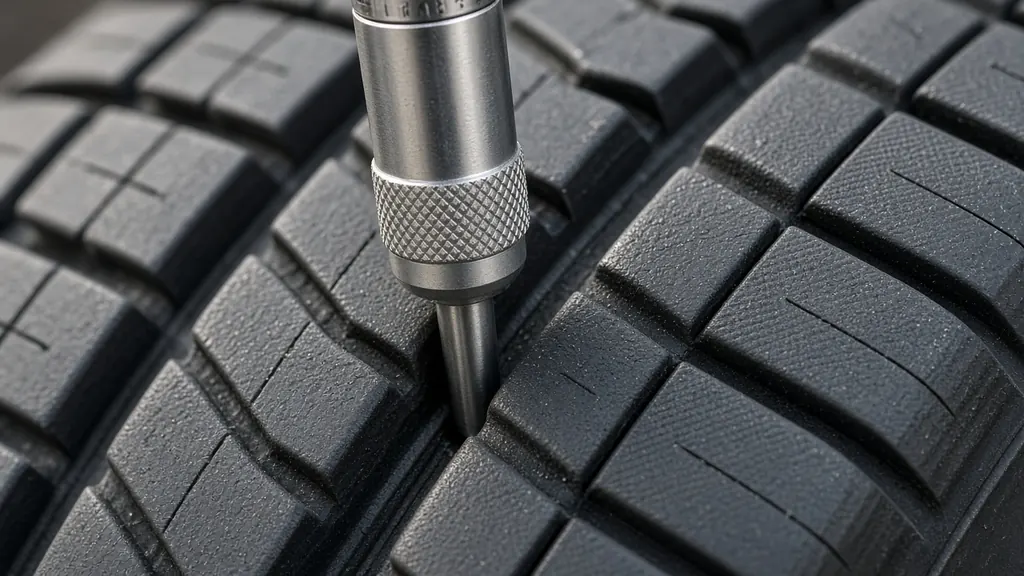
How to check tread depth
Wear bars, gauges, and rough coin heuristics — with soft, educational caveats and when to see a pro.
Tread depth guide →
Tire size calculator
Compare two tire sizes side by side: diameter, sidewall, revs per mile, and how far your speedometer reading would shift.
Open the calculator →
DOT date code decoder
Type the last four digits of the DOT code on your sidewall to see the week and year it was made and how old the tire is today.
Open the decoder →
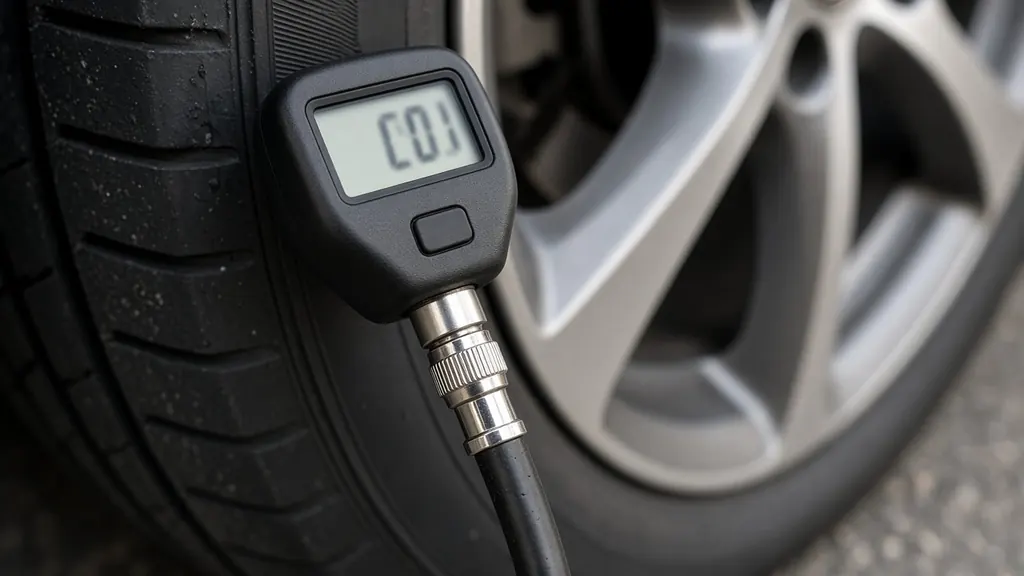
TPMS warning light explained
What the tire pressure monitoring system light means, solid vs flash-then-solid patterns, and why monthly cold checks still matter.
TPMS guide →
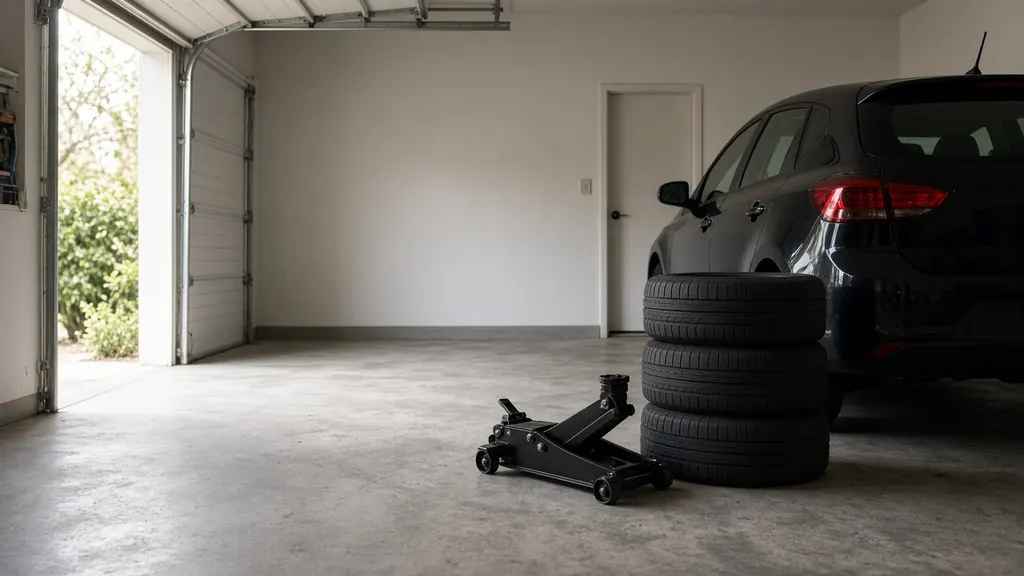
Seasonal tire storage
Where and how to store the set you swap off each season, including indoor tips and vehicle-storage caveats from industry guidance.
Storage guide →
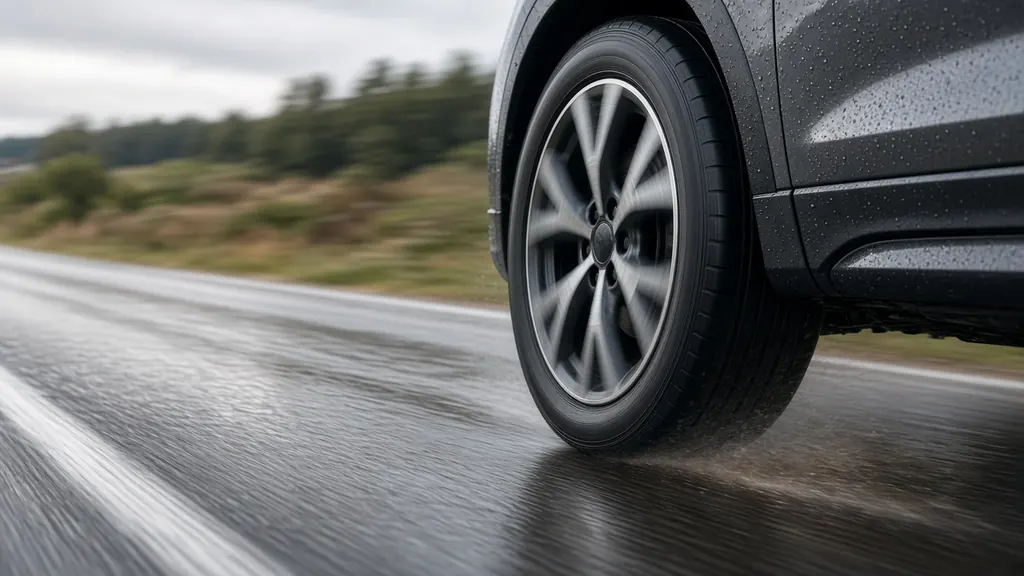
Editorial review: CrossClimate 2
Public manufacturer positioning summarized in soft language — no independent lab tests by us.
Read review →
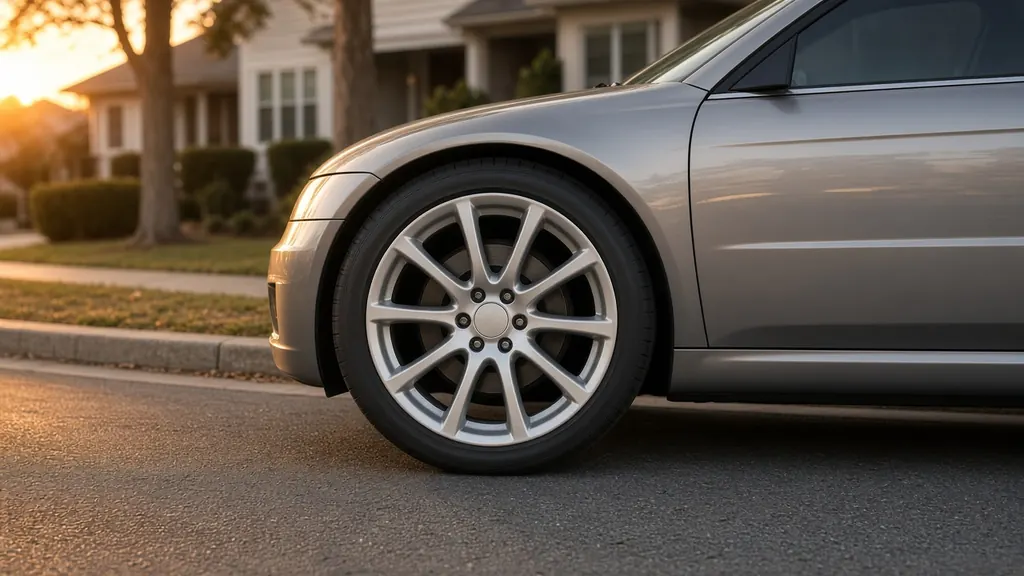
Touring vs performance all-season
A clearer decision framework for comfort-oriented versus response-oriented all-season priorities.
Compare categories →
What we publish
Smart Tire Picks is an educational resource: fitment explainers, buying guides, editorial model overviews, and category comparisons. We prioritize clarity over hype.
- Guides — placard reading, cold tire pressure / PSI, TPMS warning light, seasonal tire storage, winter tires, all weather vs all season tires, how long winter tires last, balancing vs alignment, tire rotation patterns, mixing tires / replace 2 or 4, how long tires last, spare tire (donut) limits, tire plug vs patch, sidewall bulges, nitrogen vs air, plus sizing, tread depth checks, load index & speed rating, DOT date codes, replacement timing, UTQG consumer grades
- Fitment — size selection and climate-category basics, plus a free tire size comparison calculator
- Reviews & comparisons — editorial summaries from public manufacturer positioning only
We do not claim any tire is the “safest” or guarantee outcomes for your vehicle. Always verify specs and use a licensed installer. Full legal text: Disclaimer · Affiliate Disclosure.
Frequently asked questions
What is Smart Tire Picks?
Smart Tire Picks is a free educational site for US drivers. We publish tire fitment guides, buying guides, editorial model overviews and category comparisons, plus browser based tools such as a tire size calculator and a DOT date code decoder.
Do you road test or lab test tires?
No. We do not run our own road or lab tests. Our reviews and comparisons summarize public manufacturer information and published industry guidance, and each page says so. Always confirm specs with the tire maker and a licensed installer.
Where do I find the right tire size and pressure for my car?
Use the tire and loading information placard, usually on the driver side door jamb, and your owner's manual. The pressure on the placard is the recommended cold pressure for your vehicle. The number molded on the tire sidewall is the tire's maximum pressure, not the pressure to run.
How can I tell how old a tire is?
Look for the DOT code on the sidewall. The last four digits are the week and year of manufacture, so 2324 means the 23rd week of 2024. Our DOT date code tool decodes it for you in your browser.
When should I replace a tire for tread wear?
Tires have molded tread wear indicator bars at about 2/32 inch. When the tread is level with those bars, it is time to replace the tire. Many drivers replace sooner, around 4/32 inch, for better wet and snow traction. Bulges, cuts or other damage are also reasons to have a tire inspected right away.
Do your tools collect my data?
No. Our calculators run entirely in your browser. Nothing you type is sent to us or stored, and you do not need an account.
Do you get paid by tire brands?
No. Brands do not pay for coverage and cannot buy a positive verdict. The site carries no affiliate links right now; if that changes, our Affiliate Disclosure will explain how it works.
Check current prices at retailers
Live affiliate purchase links are coming soon. Until then, search major US tire retailers for your exact placard size, compare current pricing and warranties, and confirm fitment with a licensed installer. We will not invent tracking URLs.