When to replace your tires
It may be time to replace a tire when tread nears about 2/32 inch, when you see sidewall bulges, cuts, or irregular wear, or when an inspection flags an older tire by its DOT date code. Timing also depends on use and climate, so have a licensed installer confirm.
Last updated: October 8, 2026
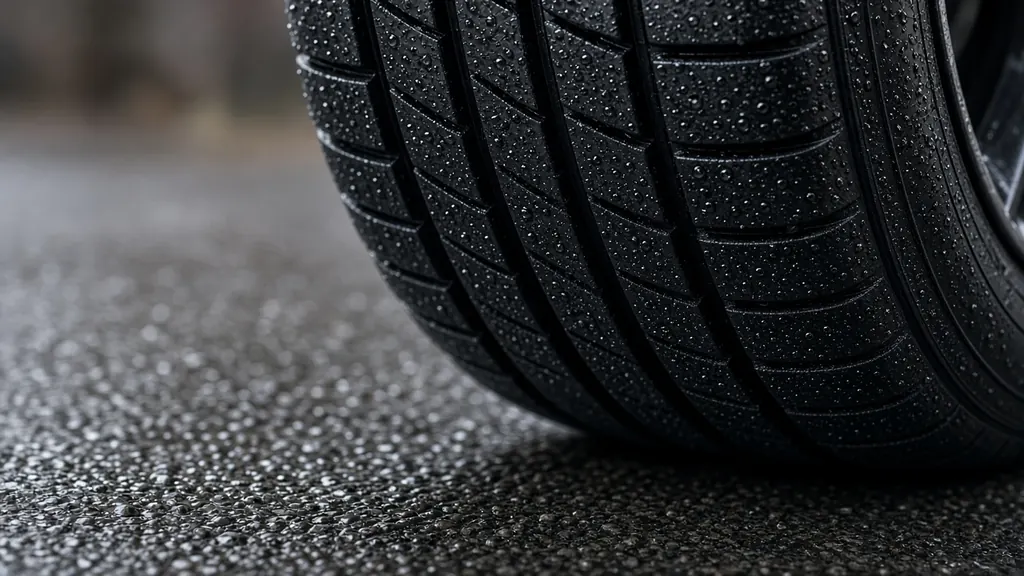
Tread depth
Many US consumer safety materials discuss remaining tread around 2/32 inch as a point of elevated wet-traction risk, and tires include molded wear bars near that depth — but state rules and vehicle use can differ. Use a gauge; wear bars are a visual backup, not a complete inspection. See our dedicated how to check tread depth guide.
Damage and irregular wear
- Sidewall bulges, cuts, or exposed cords — have a professional evaluate immediately (see our sidewall bulge guide)
- Punctures outside repairable areas or prior improper repairs
- Cupping, feathering, or shoulder wear that suggests alignment, inflation, or suspension issues
Age and storage
Even with remaining tread, older tires may need retirement after inspection. See our DOT date code guide.
Seasonal sets
Drivers who run dedicated winter tires typically switch when temperatures and road conditions change. All-season tires are a compromise category — they are not identical to winter-rated tires. See all-season vs winter vs summer.
What to do next
Document pressures, inspect visually, then have a licensed installer measure tread, check for damage, and confirm a replacement size that meets placard and OEM requirements (including load index and speed rating). If you are buying a pair instead of a full set, see can you mix tires / replace 2 or 4 for USTMA’s rear axle rule.
Sources
Outbound links to public references. We paraphrase; visit the source for full wording and updates.
- USTMA, Replacing Tires — replace all four when possible; if replacing two, match size, load index and speed rating, and put the new pair on the rear axle; a single new tire should be paired with the deepest remaining tread and both put on the rear
- NHTSA — Tires (TireWise) — Public guidance on tire inflation, the Tire and Loading Information label/placard, maintenance, and UTQG consumer grades.
- USTMA — Tire care & safety — Trade-association hub for passenger/light-truck tire care topics for consumers.
Shopping note
Affiliate links coming soon — check major retailers and confirm mounting with a licensed installer.