Directional and asymmetric tire fitment: mounting rules for shops
How to mount directional and asymmetric tires correctly: rotation arrows, outside sidewalls, staggered axles, and when a tire cannot move to the other side.
Last updated: November 5, 2026
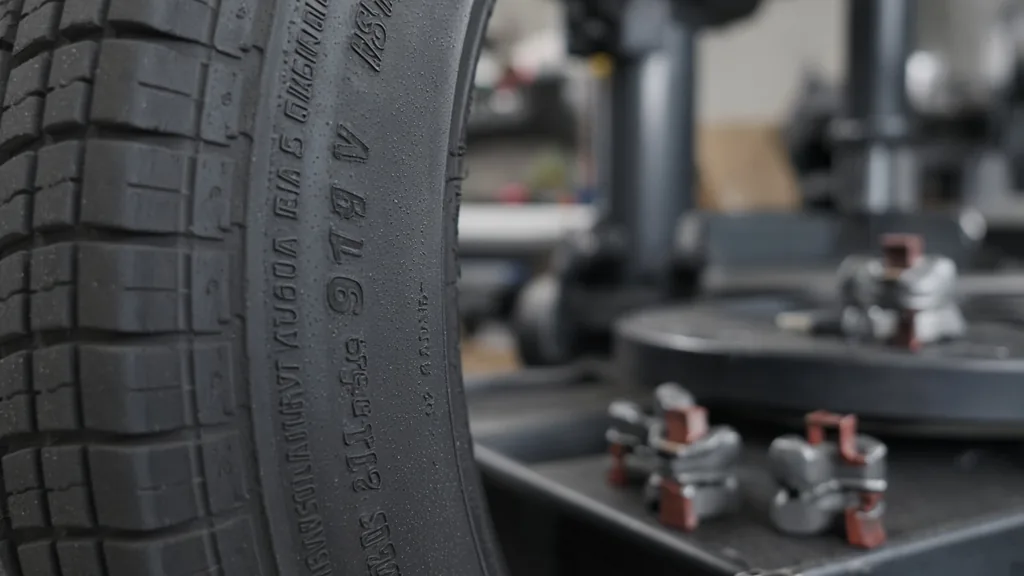
Read the sidewall before the machine spins
Pattern type is a fitment gate, not a cosmetic note. Directional tires carry a rotation arrow. Asymmetric tires carry an outside (or inside) label. Some performance tires are both. Mounting past those marks creates noise, irregular wear and weak wet performance the customer will blame on the brand — or on your shop.
Mounting checklist
- Confirm size, load index and speed rating against the placard and the order. Orientation never excuses a lower load index.
- Find rotation arrows and outside labels on both sidewalls before lubricating the bead.
- On directional tires, the arrow must point forward once the wheel is on the hub.
- On asymmetric tires, the outside mark must face outboard.
- Torque lug nuts in stages to the vehicle spec after the car is down; re-torque per shop policy.
Rotation limits shops forget
Same-side front-to-rear rotation keeps directional arrows honest. A left-right swap of a directional tire without demounting reverses the tread. Cross patterns that look neat on a poster may require breaking the bead. Staggered fitments (different front and rear sizes) cannot swap axles at all — only left-right on the same axle when the pattern allows.
For size and plus-sizing gates before pattern work, use how to choose tire size and plus sizing. For capacity marks, see load index and speed rating and XL vs SL.
When to refuse the mount
- Customer insists on ignoring an outside or arrow mark.
- Replacement load index or speed rating is below OEM requirements without written vehicle-maker approval.
- Staggered sizes mixed across an axle.
- Damaged beads, visible cords, or a tire already repaired outside industry limits (see our shop repair-or-replace guide).
Frequently asked questions
What is a directional tire?
A directional tire has a tread pattern designed to roll in one direction, usually marked with a rotation arrow on the sidewall. Mounted correctly, the arrow points forward when the tire is on the vehicle. Mounting it backwards hurts wet traction and noise performance the pattern was built for.
What is an asymmetric tire?
An asymmetric tire has different inner and outer tread zones. The sidewall is marked with an outside (or similar) cue that must face outboard. Unlike many directional tires, a correctly mounted asymmetric tire can usually move front to rear on the same side during rotation.
Can I rotate directional tires side to side?
Not without demounting them from the wheels. A directional tire that simply swaps left to right would then rotate the wrong way. Same-side front-to-rear rotation keeps the arrow correct. If a full cross rotation is required, the tire must be broken down and remounted on the opposite wheel.
What if the customer bought the wrong outside facing?
Do not ignore an outside marking to make a sale fit. Remount so outside faces outboard. If the set is staggered with different front and rear sizes, confirm each axle’s size, load index and speed rating before mounting. See load index and choose-size guides.
Do run-flat or XL markings change orientation rules?
No. Construction tags such as run-flat, XL or load range do not replace rotation arrows or outside labels. Read every cue on both sidewalls before the bead reaches the rim.
How should a work order document fitment orientation?
Note directional or asymmetric, arrow direction verified, outside facing verified, and any remount required for cross rotation. Photos of the sidewall marks before and after help if a noise or pull complaint returns.
Sources
- Bridgestone Americas, How to Read and Determine Tire Size: sidewall service description and construction cues; fitment must match vehicle requirements
- USTMA, Care and Service of Passenger and Light Truck Tires (PDF): replacement tires should match size and meet or exceed load and speed capability; professional mounting
- Smart Tire Picks, How to choose the right tire size: placard-first size selection before pattern orientation
- Smart Tire Picks, Load index and speed rating: match or exceed OEM load index and appropriate speed rating